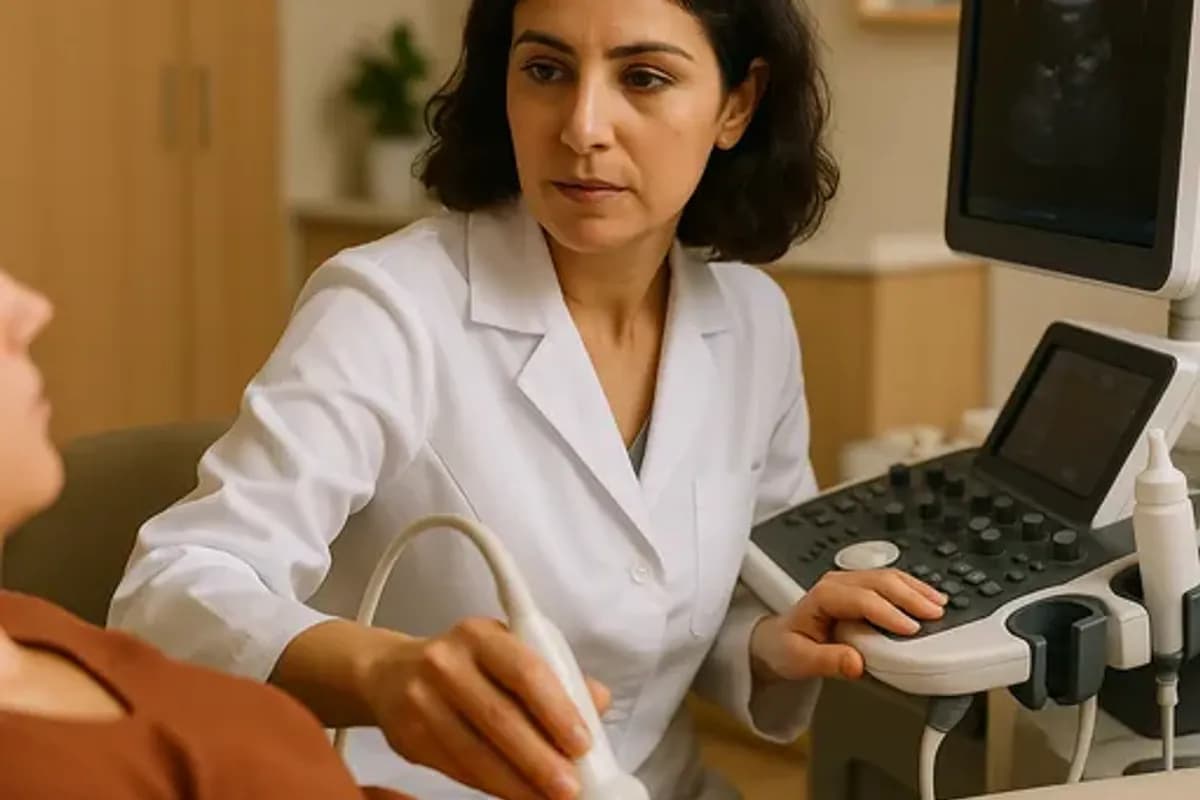
Treatment of Gynecological Diseases and Genital Infections
Treatment of gynecological diseases and genital infections includes diagnosis, evaluation, and specialized management of common female reproductive health conditions under the supervision of a gynecologist.
What are gynecological diseases and genital infections?
Gynecological diseases include a wide range of conditions affecting the female reproductive system, including infections, hormonal disorders, uterine problems, ovarian conditions, and other women’s health issues.
Genital infections are among the most common gynecological concerns and may occur due to bacterial imbalance, fungal overgrowth, lifestyle factors, or other medical conditions.
Accurate diagnosis and timely treatment by a gynecologist play an important role in preventing complications and maintaining women’s health.
Common symptoms of genital infections
Symptoms may vary from person to person, but common signs include:
Changes in vaginal discharge
Itching or burning sensation
Irritation and inflammation
Pain or discomfort during intercourse
Unusual odor
Pelvic discomfort
Medical evaluation is important when these symptoms appear.
Diagnosis of gynecological conditions
Diagnosis is based on symptoms, medical history, and gynecological examination. The physician may recommend laboratory tests, vaginal discharge analysis, ultrasound, or other diagnostic methods when necessary.
Identifying the exact cause is essential because each condition requires a specific treatment approach.
Treatment methods
Treatment depends on the type and cause of the condition. It may include:
Antifungal medications for fungal infections
Appropriate medications for bacterial infections
Hormonal treatments when needed
Lifestyle and hygiene recommendations
Regular medical follow-ups
Self-medication may worsen symptoms or cause recurring infections, so treatment should always be guided by a specialist.
Importance of visiting a gynecologist
Many gynecological conditions can be effectively managed when detected early. Regular gynecological check-ups help identify problems, prevent complications, and maintain reproductive health.
The specialist evaluates each patient individually and selects the most appropriate treatment plan.
Prevention of genital infections
Preventive measures include:
Maintaining personal hygiene
Wearing suitable breathable underwear
Avoiding unnecessary medication use
Regular gynecological visits
Paying attention to unusual symptoms
Completing prescribed treatments
When should you visit a gynecologist?
Medical consultation is recommended if symptoms such as severe itching, burning, abnormal discharge, pelvic pain, unusual bleeding, or recurrent infections occur.
Early diagnosis and proper treatment can prevent more serious complications.
Conclusion
Treatment of gynecological diseases and genital infections is an essential part of women’s healthcare. Proper diagnosis, effective treatment, and regular follow-up with a gynecologist help maintain reproductive health and improve quality of life.
please Login to leave a comment
Add Your Comment
Reviews